
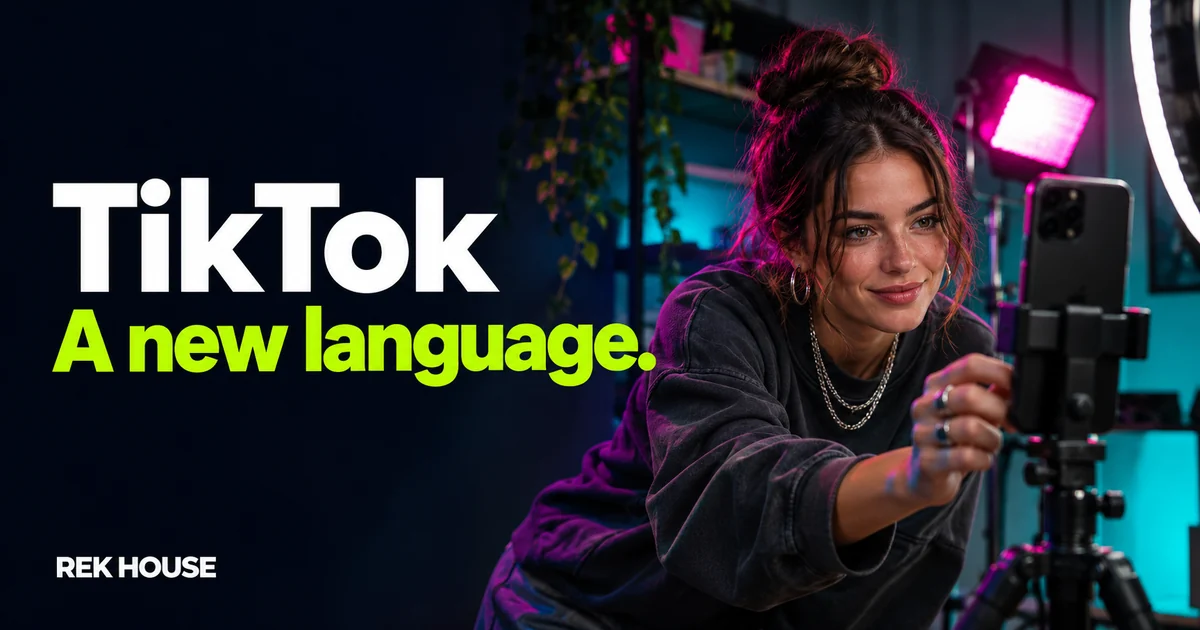
A different creative language
TikTok normalised direct-to-camera speech, fast cultural references, remixing and creation inside the platform. Production value still matters, but relevance and immediacy often matter first.
Mass culture values participation
Audiences do not only consume polished media. They respond, copy, reinterpret and add their own version. Brands succeed when they understand the conversation instead of entering it with a fixed broadcast message.
Constraints create formats
Vertical framing, short duration, built-in audio and editing tools produced recognisable patterns. Constraints make ideas easier to repeat and help creators learn from one another.
The algorithm is the platform
Discovery depends less on an existing follower network and more on the performance of each piece of content. This rewards clear hooks and makes testing a central part of creative work.
Influence on other platforms and users
Reels, Shorts and recommendation feeds adopted similar behaviour. Users now expect faster value, visible personality and content shaped for the feed rather than adapted from another medium.
The practical lesson is to learn the language of the platform while keeping a stable brand point of view.
Start with a buyer hypothesis
A decision-maker using TikTok privately is not automatically interested in suppliers while browsing. Define why a particular subject belongs in that setting. For an industrial company, it might be an unusual application or an explanation of a recurring mistake. For a public organisation, it might be a clear account of a project outcome.
Treat channel fit as a question to test. Choose relevant subjects and define what useful interest would look like before recording. Large reach from unrelated viewers can be less valuable than a small audience asking informed questions about the offer. Do not assume one platform replaces every other channel.
Design a controlled pilot
An illustrative technology-company pilot could cover short expert answers and demonstrations drawn from sales conversations. Prepare different openings, but keep a consistent view of the intended buyer. This is a proposed experiment, not a claim about a completed campaign.
Set a review date and account for production and publishing effort. Check the suitability of the topics and distribution before deciding the channel cannot work. Equally, do not continue indefinitely because one clip attracted attention. Look for evidence that relevant viewers understand the subject and take a useful next step.
Keep the delivery natural and the claims accurate
A simple visual style can still have clear audio, readable captions and a prepared argument. Let experts explain familiar situations in their own words. Copying an unrelated creator's delivery may make the company less credible. A trend is optional and should support the message rather than become the entire reason for publishing.
When reusing footage for Reels or Shorts, check framing, text placement and licences. Music available inside one application may have usage restrictions. Adapt the description and next step instead of distributing an identical export without checking its destination.
Connect short videos to useful resources
A short answer can lead to a fuller YouTube guide, a product explanation or an offer page. Consider short-form production and ongoing video collaboration when the test justifies regular output. Assign internal topic and approval owners before increasing volume.