
Main customer story
A complete narrative for the website, campaigns and sales meetings.
CASE STUDY VIDEO
Customer stories show the problem, implementation and result through the voice of a real client. They build trust before a sales conversation begins.
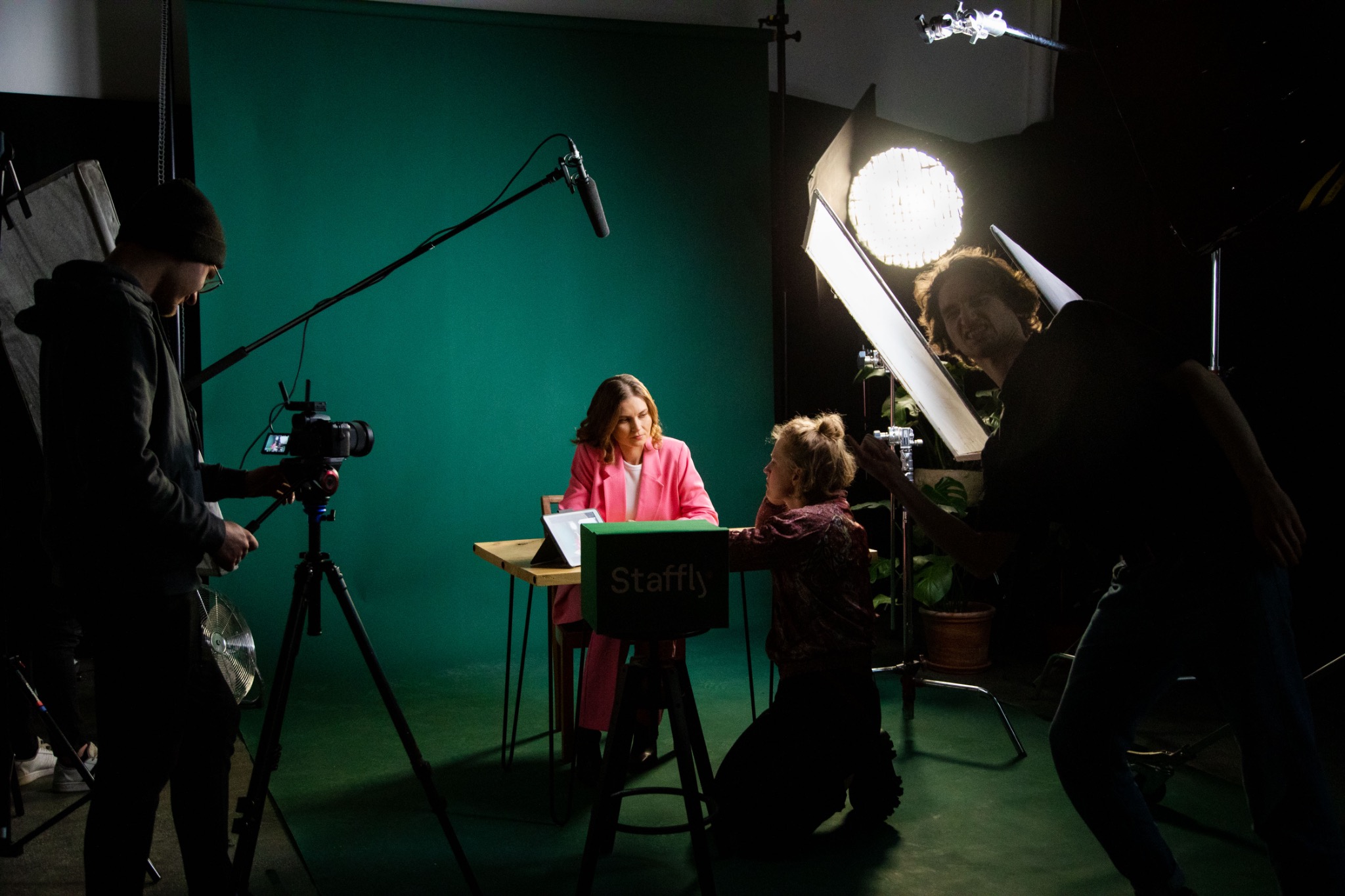
THE CONTEXT
A strong case study is not a generic testimonial. It is a structured story about the starting point, the decision, the implementation and the measurable or practical change.
We prepare the interview so the speaker remains natural while the final film gives marketing and sales a clear, useful argument.
Explore Lectra customer stories from Estonia and Kosovo, filmed at customer sites. In our work for Perfect Gym, customer stories complement product and brand films.
WHAT YOU GET
A complete narrative for the website, campaigns and sales meetings.
Focused clips built around one challenge, feature or outcome.
Reusable answers for future sales and communication needs.
Still frames, portraits and vertical versions from the same production day.
PROCESS
We review the implementation and find the strongest business angle.
We build questions, brief the speakers and remove unnecessary pressure.
We record the interview and the real working environment.
We shape the story, add evidence and prepare the required versions.
SELECTED WORK
READY TO START?
FAQ
A case study video tells the story of a real implementation: the starting point, business problem, collaboration, solution and outcome. A short testimonial usually offers a recommendation; a case study adds the context and evidence that help a buyer recognise their own situation. At Rek House, we combine customer interviews with team or product footage, supporting shots, graphics and a clear narrative. The result can support B2B sales, marketing and presentations over time.
Case studies are useful when an offer is complex, buying decisions take time and prospects need evidence before speaking to sales. We create them for technology and software businesses, manufacturers, industrial companies, automation, energy, logistics, professional services, larger organisations and institutions. They can support market entry, a launch, rebranding or sales involving several decision-makers. If buyers regularly ask for references, implementation results or similar projects, a customer story can help them assess your offer.
We start with the product, audience, market and the role of the video in sales or marketing. We then develop the concept, story structure, script and interview questions. We agree a budget, schedule, location, permissions and approval responsibilities. On the shoot, we record interviews and footage showing the team, product and implementation. Post-production brings together the narrative, picture, sound, music, subtitles and graphics. After the agreed revision rounds, we deliver the main film, cutdowns, language versions and channel formats specified in the project.
A complete production commonly takes several weeks and can extend to a few months, depending on speakers, locations, footage, animation, language versions and approvals. A single-location shoot may be quicker; an international series requires more planning. Before starting, we agree dates for pre-production, filming, the first edit, revisions and final delivery. Changes beyond the approved script or late source materials can affect the schedule. One decision-maker and consolidated feedback help keep approvals moving.
Yes. We can work from an approved brief or develop the concept from scratch. We speak with marketing and sales to understand the product, audience, customer objections and intended outcome. We then structure the story around the problem, process, solution and result, with questions that help speakers give specific, natural answers. We guide the interview rather than asking participants to memorise a script. Before filming, the client approves the script, scope, budget and schedule.
The speaker needs no camera experience or memorised script. Before filming, we agree topics and examples from the implementation. On set, we conduct a relaxed interview, using follow-up questions and allowing answers to be repeated. Footage of the product, team or process illustrates what the customer describes. Your team provides access to speakers, implementation information, a location and the agreed permissions. Choose someone who knows the problem and outcome first-hand. We include numerical results only when the client confirms them and approves publication.
We match the scope to how you plan to use the content. It commonly includes a 16:9 main film, shorter sales and presentation versions, vertical clips for LinkedIn, Reels and Shorts, subtitles and selected language versions. Optional assets include supporting footage, reusable quotes, thumbnails, photography, graphics, 2D animation and clean versions for later adaptations. We agree the file list, aspect ratios and publishing channels at briefing so the shoot can provide material for your website, sales team, campaigns, events and partners.
We quote individually because scope and logistics have the greatest impact on the budget. Factors include shoot days, locations, crew, speakers, equipment, set design, animation, archive material, music, languages, output formats and deadlines. A film at one office differs from a series of customer stories across several countries. After a brief, we provide a budget, schedule and deliverable list. Projects are usually paid in stages, with an initial payment enabling pre-production and reservations and the remaining amount due after acceptance of the agreed work.
Our standard project includes two post-production revision rounds within the approved script and recorded footage. These can cover shortening a section, changing shot order, captions or graphics. New scenes, another shoot day or a change of concept after filming are quoted separately. We ask for one decision-maker and a consolidated set of comments from all stakeholders. Approval dates are included in the schedule; missing materials or delayed decisions can affect delivery.
The agreement defines rights for the planned uses. Once the project is paid for, the client receives the agreed economic copyright and rights to distribute and use the finished video. The client obtains participant permissions unless we agree another arrangement. We also establish rights for music, archive footage, logos and client-supplied content. Business information, documents, budgets and project materials are confidential. Our standard terms reserve portfolio use, but an embargo or exclusion can be agreed for confidential projects.
Let us know as early as possible because crew, equipment, locations and other suppliers are reserved before the shoot. The agreement sets the detailed terms. In our standard model, cancellation more than seven days in advance carries no additional fee beyond actual, non-recoverable costs already incurred. Between seven days and 48 hours, part of the production budget is charged; cancellation within 48 hours involves a larger part of the reserved budget. For unforeseen circumstances, we look for practical arrangements that protect the schedule and limit costs.
Plan the uses before filming. The main story can sit on a product page or work section, with shorter cuts for sales emails, presentations, follow-ups and account-based marketing. Vertical clips can support LinkedIn and paid campaigns, quotes can strengthen landing pages, and supporting footage can be reused. For international audiences, we can prepare subtitles, translations, local introductions or separate versions. A transcript and clear descriptions of the problem, solution and outcome also make the topic easier for search engines and AI systems to understand.