
Start with the purpose
An event video can sell the next edition, explain the programme, support sponsors, document impact or create expert content. These goals require different interviews and shots, so the decision must be made before the event.
A mood-only highlight reel may capture energy but rarely explains why the event mattered. A stronger film combines atmosphere with a simple narrative.
- Who should watch the final film?
- What should they understand or feel?
- Where will the content be published?
- Which speakers, partners and moments prove the story?
Prepare the production
Share the run of show, floor plan, access rules, speaker contacts, branding guidance and delivery deadline. Decide whether interviews will drive the narrative or whether the film needs voice-over or on-screen text.
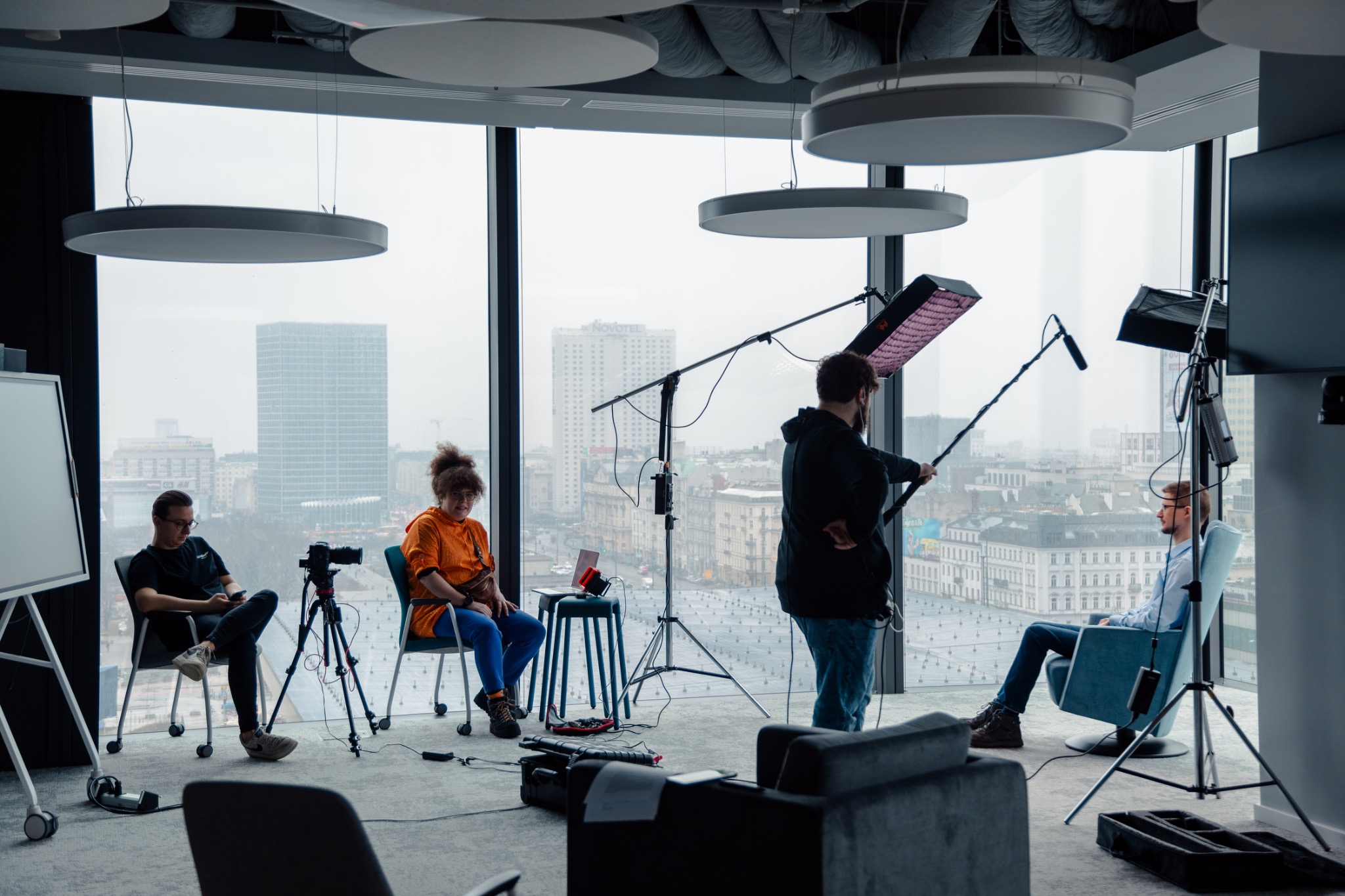
A location scout is valuable for complex venues. It reveals sound conditions, available light, camera routes and places where an interview can happen without interrupting the event.
If you are choosing a crew, explore our event video production service for filming options, deliverables and examples of our work.
Film the event as a story
The crew needs wide context, human reactions, details, transitions and decisive moments. Interviews should be short and specific: what was the problem, what happened here and what changes next?
Secure image permissions and coordinate with the organiser's communication team. Good access produces better footage than additional equipment with no access plan.
Edit for several uses
Create a main film with a beginning, development and result. Then derive speaker clips, social highlights, sponsor assets and next-edition teasers. Add subtitles, language versions and aspect ratios based on the distribution plan.
Measure the useful life
Look at registrations influenced by the film, partner use, completion rate, sales follow-ups and the number of assets published over time. A successful event production should create value for weeks or months, not only on the day after the event.