
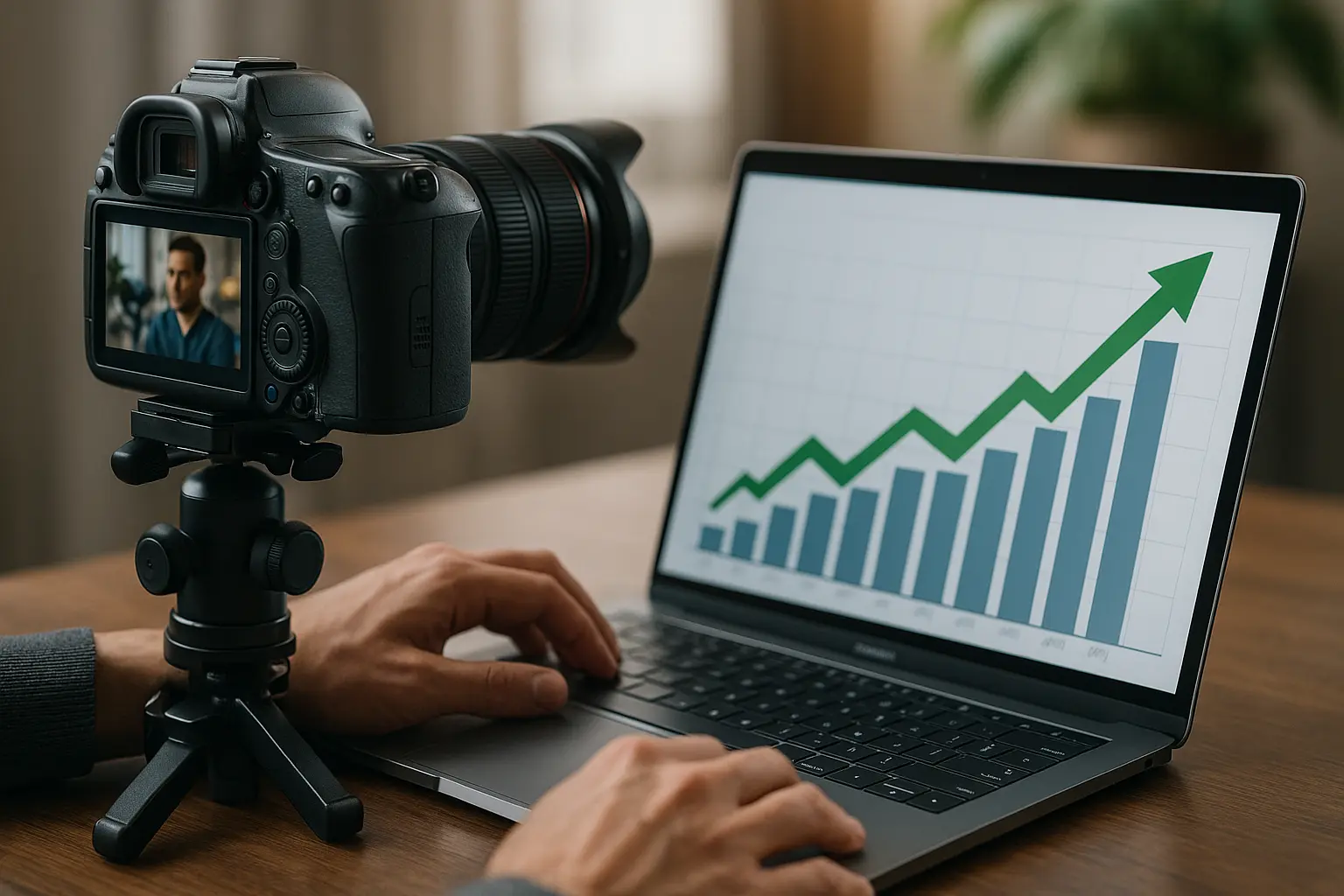
Search is becoming multimodal
Search results increasingly combine pages, images, video, short answers and AI summaries. A useful film can occupy more than one surface: YouTube, a page embed, video results, social discovery and an answer generated from structured content.
Video does not replace strong written content. It gives the page another source of evidence and another way for the audience to understand the subject.
From rich results to AI answers
A well-described video helps search systems understand the topic, speaker and purpose. The surrounding page should provide a clear title, summary, transcript or structured explanation, chapters and relevant internal links.
AI systems favour content that can be interpreted and cited. A focused expert answer, demonstration, comparison or case study creates extractable facts and clear claims.
Video SEO for B2B and e-commerce
In e-commerce, demonstrations answer questions that product copy often leaves open. In B2B, interviews and explainers reveal expertise and give complex pages a more useful experience.
The commercial value appears when the film supports the search intent. A buyer looking for a process needs a process explanation, while a buyer evaluating risk needs customer evidence.
- Use descriptive titles rather than campaign slogans alone.
- Place the video on the most relevant page.
- Add a useful written summary or transcript.
- Create chapters and answer one question per segment.
- Distribute clips that link back to the full resource.
Measure more than views
Track visibility of the page, search impressions, video plays, engaged time, assisted conversions and the sales use of the material. The goal is not an isolated view count but stronger discovery and a shorter route to understanding.
Common mistakes
Publishing the same vague film everywhere, hiding it below unrelated content, omitting context and measuring only reach all limit SEO value. Build the video and page as one information asset.